The Moment She Chose Care Over Competition (And What It Taught Me About Kids)
Lily spent years showing animals at the Delaware State Fair. Chickens first, then dairy cows, then goats. She earned ribbons. She won third place in the state for dairy cow knowledge. She collected award after award in the goat ring.
She also spent years horseback riding. Lessons, practice, competition. It was another animal-centered activity, and she was good at it.
And then she stopped competing.
Not because she lost interest in animals. Because she realized something about herself that most adults take decades to figure out: the thing she loved was not the winning. It was the caring.
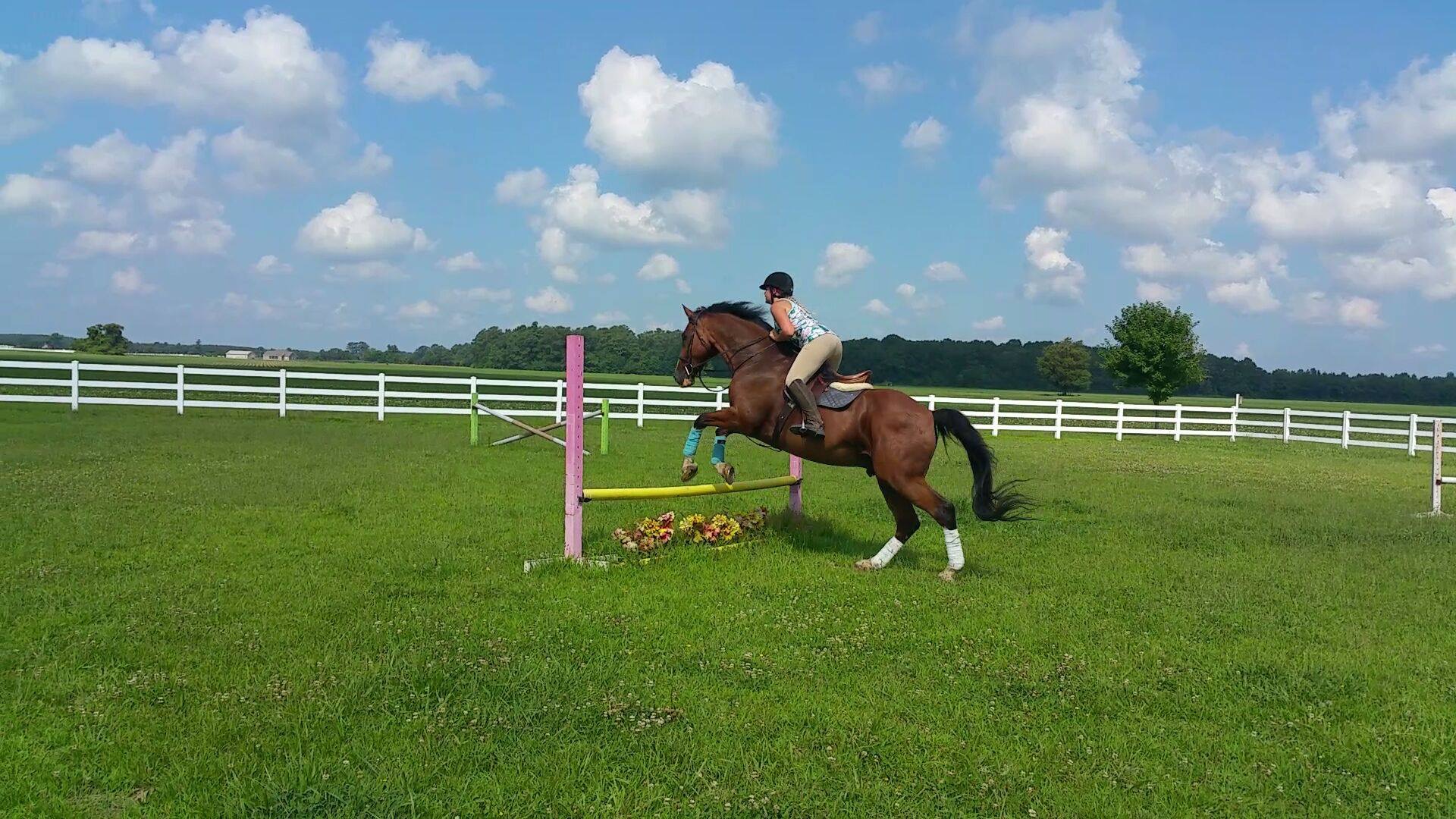
When the Ribbons Stopped Being the Point
I noticed the shift gradually. Lily would come home from a riding competition and talk about the horses, not the results. She would describe how the animal was feeling, what it needed, whether it seemed comfortable. She was less interested in her own performance and more interested in the animal's experience.
At first I thought she was just being modest. Then I realized she was being honest.
What Lily loved was not showmanship. It was stewardship. She did not want to ride the horse to prove she could. She wanted to take care of the horse because she felt responsible for it.
That is a profoundly different motivation. And when I finally understood it, I understood Lily in a way I had not before.
She made the decision to step away from competitive riding and focus on what she actually cared about: the care and well-being of the animals themselves. Not the performance. Not the presentation. The animal.
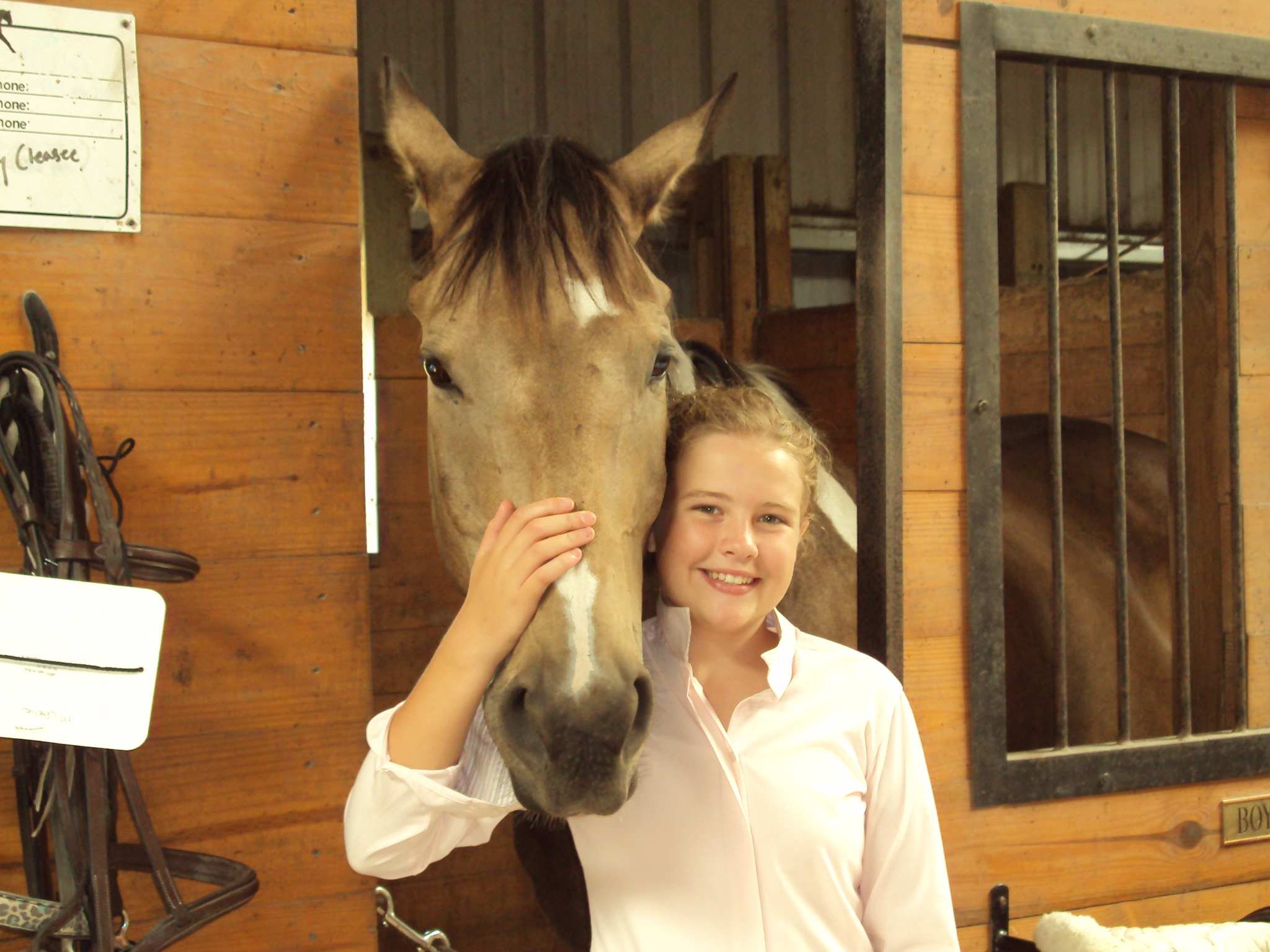
What This Looks Like in a Child
This is the kind of moment most parents miss or misread.
When a child stops competing, we sometimes assume they are quitting. Giving up. Losing interest. We worry. We push back. We say things like, "But you were so good at it."
And sometimes our child is not quitting at all. They are refining. They are learning the difference between what they are good at and what they actually love.
Lily was good at showing. She had the knowledge, the discipline, the work ethic. She won awards to prove it. But winning was not why she showed up at the farm at dawn. She showed up because she loved the animals. The competitions were just a structure that let her be near them.
Once she understood that, she did not need the structure anymore. She needed the animals.
The Summer Job Rescue
This clarity showed up everywhere once I knew to look for it.
During high school, Lily worked a summer job and discovered a litter of cats living under the porch. She did not call someone else to handle it. She rescued them herself, brought them to the veterinary clinic where she also worked that summer, made sure they were examined and spayed, and then found homes for every single kitten.
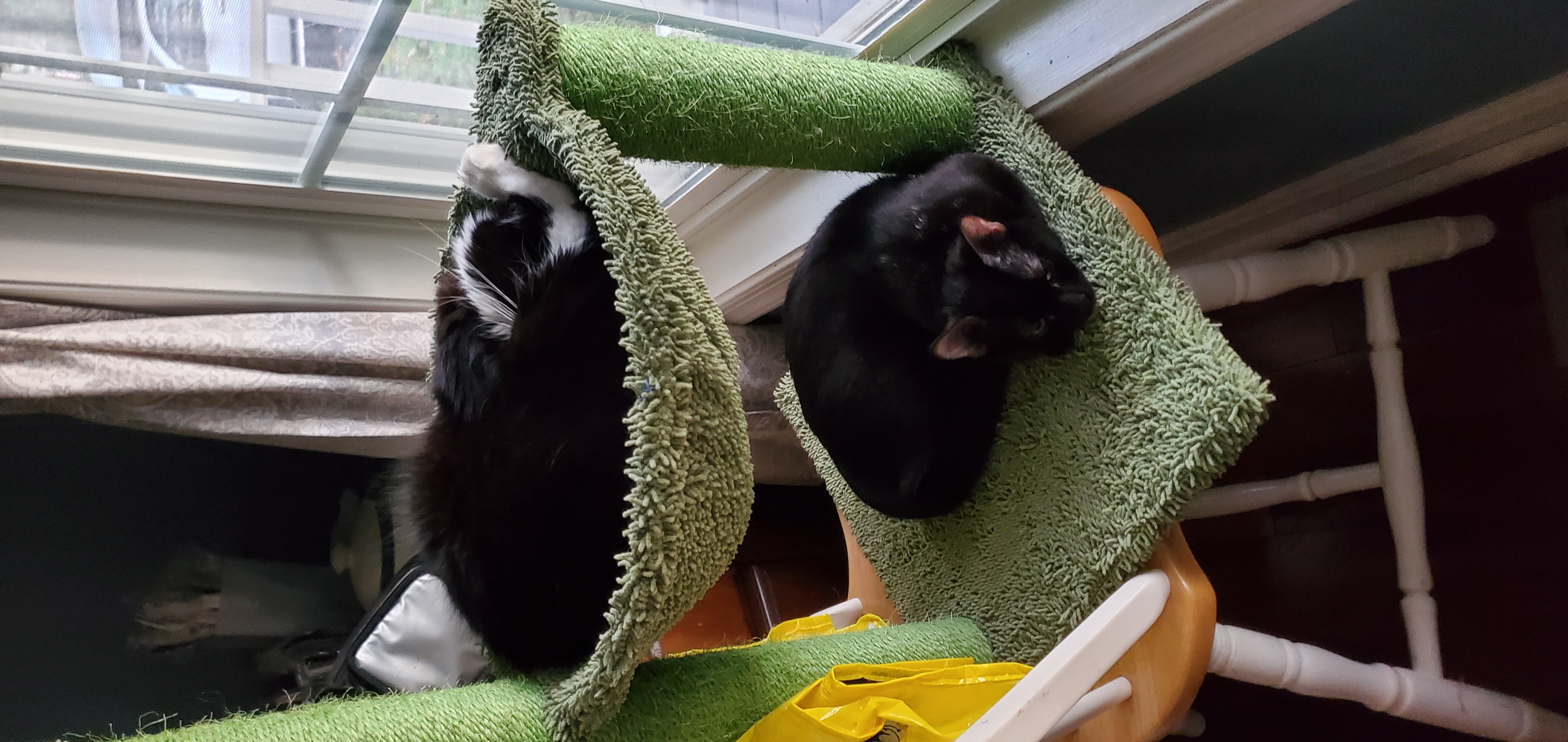
No ribbon for that. No trophy. No one watching and scoring her performance. Just a teenager who saw animals that needed help and took action because she could.
That is what it looks like when a child is following a real calling. It does not require an audience. It does not need validation. It just happens because the child cannot imagine not doing it.
The Science Fair Project That Was Not Really About Science
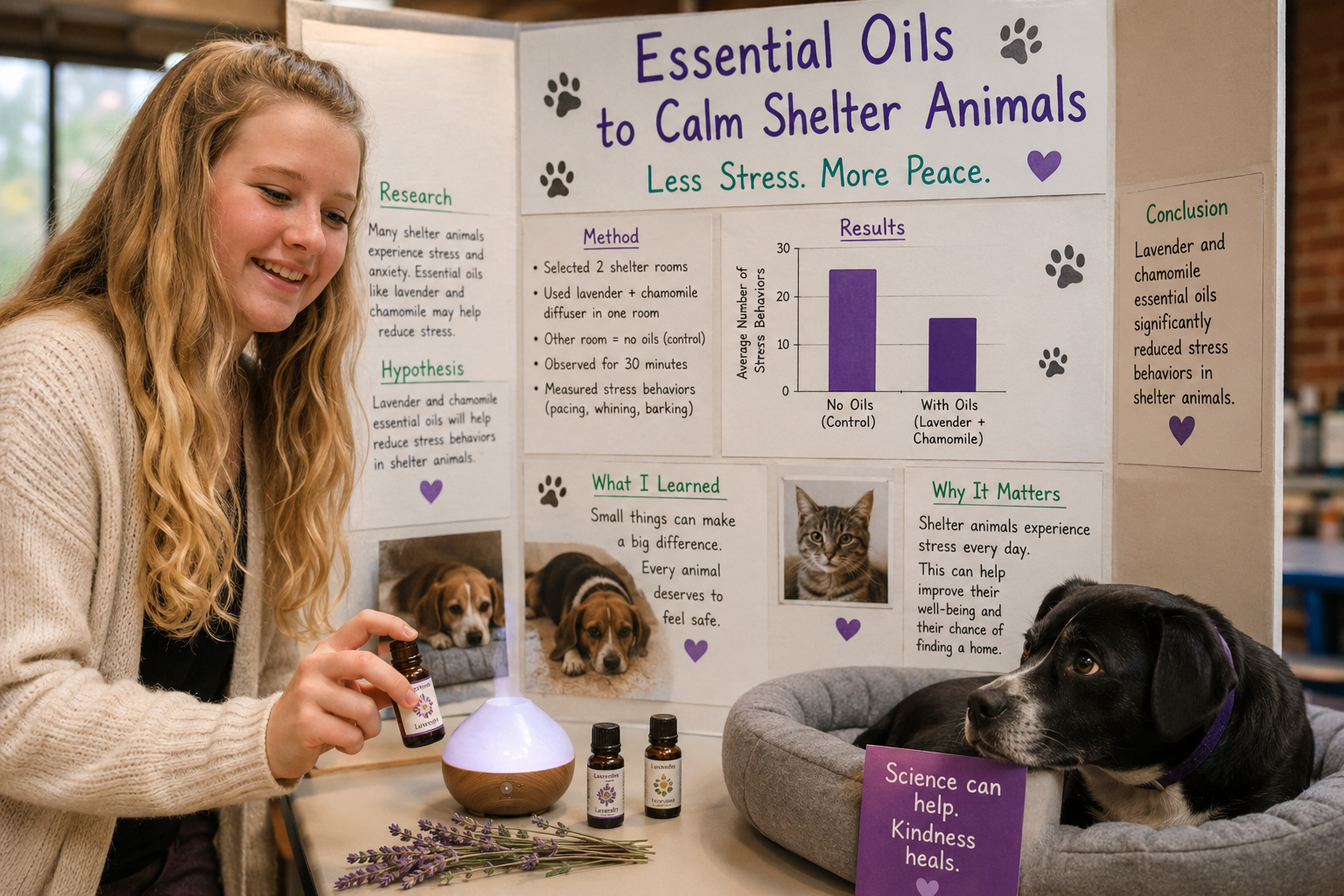
Lily also did a science fair project that tells you everything you need to know about how she thinks.
She researched the use of essential oils to calm animals in shelter environments. She tested it. She measured the results. She put together a presentation. And it worked. The project was a great success.
But here is what I noticed: she was not excited about winning the science fair. She was excited about helping shelter animals feel less afraid. The science fair was just the vehicle. The animals were the point.
When your child does a school project and cares more about the real-world application than the grade, pay attention. That is a spark. That is the thing.
What I Wish I Had Known Earlier
If I could go back and give myself one piece of advice during those years, it would be this: stop looking at the activities and start looking at the motivation.
I spent years tracking Lily's activities. Four H. Riding. Showing. Farm work. Volunteering. I thought the activities were the point. Check this one off, sign up for that one, make sure she is busy and learning and growing.
But the activities were never the point. The animals were the point. The caring was the point. The desire to help, to heal, to nurture, that was always the point.
Once I saw that, I stopped managing her schedule and started supporting her purpose. And that is when everything opened up.
How to See the Difference in Your Child
Here is what I would tell any parent who is trying to figure out whether their child has found their real thing.
Watch how they respond to setbacks. A child who is chasing ribbons will be devastated when they lose. A child who is following a calling will be disappointed and then go right back to the work because the work itself is the reward.
Listen to what they talk about after the event. Do they talk about their score, or do they talk about the experience? Do they describe how they performed, or do they describe what they noticed?
Notice whether they do it when no one is watching. This is the biggest tell. Lily did not take care of animals because someone was grading her. She did it because she could not help herself. If your child does the thing at home, on weekends, during summer, without being asked, that is the spark.
Give them permission to let go of the competitive structure when they are ready. This is the hard one for parents. We are trained to believe that quitting is bad. But sometimes stepping away from competition is not quitting. It is growing up. It is understanding yourself well enough to separate what you love from what you are supposed to love.
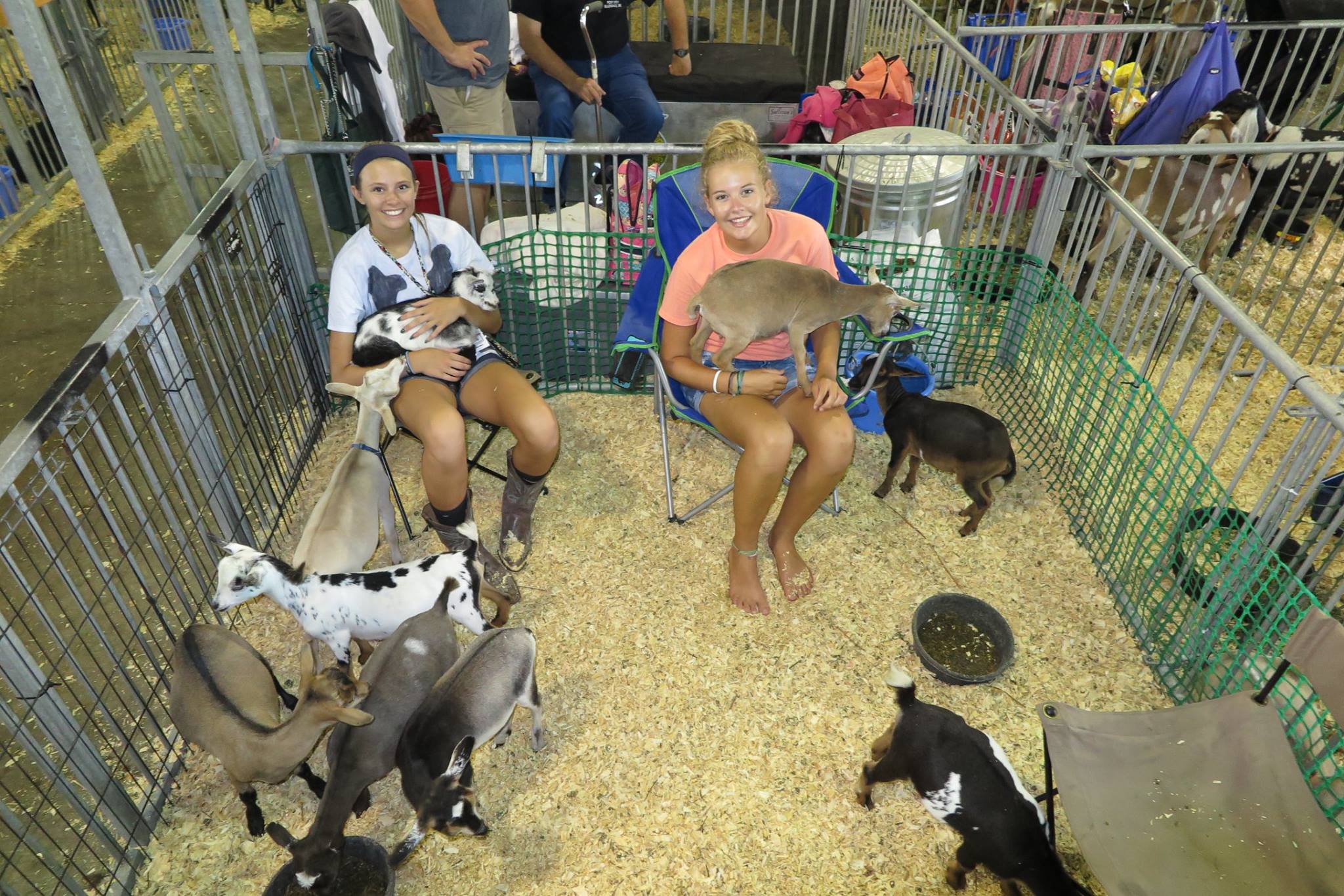
Lily's decision to stop competing and focus on caring was one of the most mature, self-aware choices I have ever watched a teenager make. And I almost tried to talk her out of it.
I am glad I did not.